


What you will learn in this article
- Why World Hearing Day is important for raising awareness about hearing health.
- How early hearing screening in schools helps detect hearing challenges in children.
- How Candice van Heerden Audiology supported the global initiative by conducting hearing tests for Grade R learners.
Understanding World Hearing Day
Each year on 3 March, healthcare professionals and organisations around the world observe World Hearing Day to raise awareness about hearing health and the importance of early intervention.
The campaign, led by the World Health Organization (WHO), encourages communities to take proactive steps toward protecting and improving hearing.
The 2026 theme highlighted a particularly important message:
“From communities to classrooms: hearing care for all children.”
This theme emphasises the importance of making hearing care accessible in everyday environments such as schools, where children spend much of their time learning and developing.
Candice van Heerden Audiology proudly supported this initiative alongside Oticon, helping to promote awareness and early detection of hearing difficulties among children.
Bringing Hearing Care Into Schools
In line with the global theme, Candice van Heerden Audiology focused on hearing screening within schools during World Hearing Day.
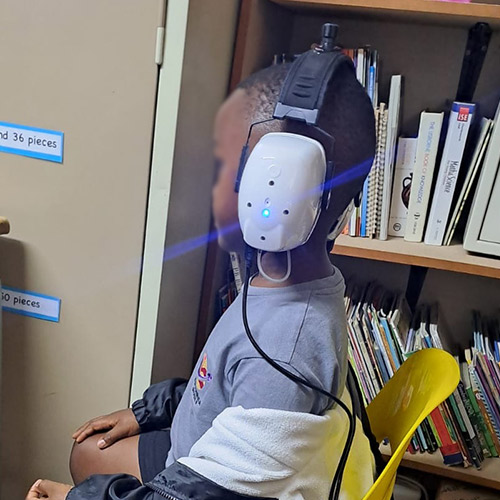
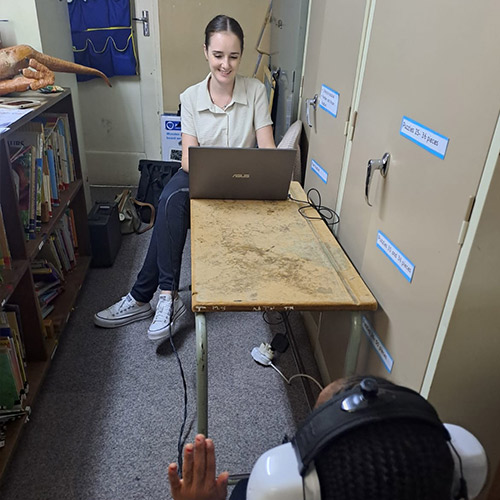
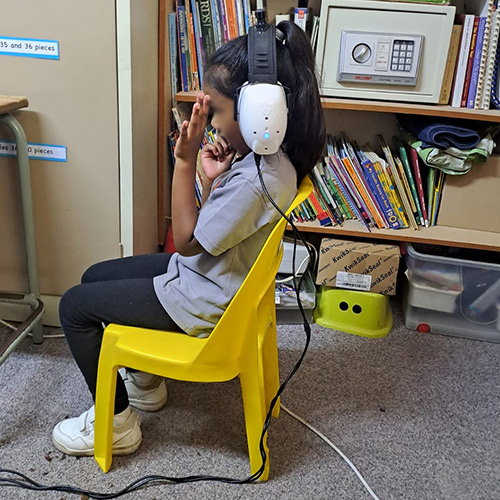
On the day itself, the practice conducted hearing screenings at Tom Newby Pre-Primary School, testing all Grade R learners to ensure that any potential hearing difficulties could be identified early.
School hearing screenings play an essential role in identifying children who may not yet realise they are experiencing hearing challenges.
Many hearing difficulties in children go unnoticed because symptoms can appear subtle at first.
For example, a child might:
- Struggle to follow instructions in class
- Ask teachers to repeat information frequently
- Appear distracted or inattentive
- Have difficulty with speech or language development
In reality, the child may simply not be hearing clearly.
Why Early Hearing Screening Matters
Hearing plays a critical role in a child’s development, particularly in the early school years.
When hearing difficulties are detected early, children can receive support that allows them to thrive academically and socially.
Key benefits of early hearing detection
BENEFIT |
Why it matters |
|---|---|
| Improved learning | Children can fully participate in classroom activities |
| Better speech development | Hearing clearly supports language development |
| Increased confidence | Children feel more comfortable communicating |
| Early intervention | Hearing aids or treatment can be provided sooner |
Without screening programmes, hearing issues may only be discovered after a child has already fallen behind in school.
This is why initiatives like school hearing screenings are so valuable.
Common Causes of Hearing Difficulties in Children
Hearing problems in children can arise from a variety of causes. Some are temporary and easily treated, while others require ongoing management.
Common causes include:
- Ear infections
- Fluid in the middle ear
- Wax buildup
- Genetic factors
- Noise exposure
- Congenital hearing loss
Regular hearing checks help ensure these conditions are identified and addressed quickly.
Signs Parents and Teachers Should Look For
Parents and teachers are often the first to notice when a child may be struggling with hearing.
Look out for the following signs:
- Frequently saying “what?” or “huh?”
- Turning one ear toward sound
- Difficulty following conversations
- Speaking louder than normal
- Delayed speech development
- Struggling to hear in noisy environments
If any of these signs are present, a professional hearing assessment is recommended.
Community-Based Hearing Care
World Hearing Day reminds us that hearing care should not be limited to clinics alone.
By bringing hearing screening into schools and communities, healthcare professionals can:
- Reach more children
- Identify issues earlier
- Educate families about hearing health
- Reduce long-term learning difficulties
The screening initiative at Tom Newby Pre-Primary is a strong example of how community engagement can improve health outcomes for children.
Tips for Protecting Your Child’s Hearing
Parents can also take steps to protect their child’s hearing health.
Simple hearing health tips
- Keep headphone volume below 60%
- Limit exposure to loud environments
- Treat ear infections promptly
- Schedule routine hearing checks
- Encourage children to report ear discomfort
Preventive care and early testing can significantly reduce the risk of long-term hearing problems.
Supporting Children’s Hearing Health
World Hearing Day serves as an important reminder that every child deserves the opportunity to hear clearly and learn confidently.
Through initiatives such as school screenings and community awareness programmes, Candice van Heerden Audiology remains committed to improving hearing health for children and families.
If you are concerned about your child’s hearing or would like a professional evaluation, early action can make a significant difference.
Book a Diagnostic Hearing Assessment
To schedule a diagnostic hearing assessment, contact Candice van Heerden Audiology:
📞 Phone: 011 615 3047
📧 Email: candice@cvhaudiology.co.za
Appointments are available at the Bedfordview and Benoni practices.
Early hearing care helps children learn, communicate, and thrive. If you have any concerns about hearing health, professional support is only a call away.
Frequently Asked Questions
At what age should children have their hearing tested?
Children should ideally have their hearing tested before starting school and again if any concerns arise during their development.
Are school hearing screenings enough?
Screenings are useful for identifying potential issues, but they do not replace a full diagnostic hearing assessment performed by an audiologist.
What happens if a hearing issue is detected?
If a screening identifies a possible concern, a comprehensive diagnostic assessment will be recommended to determine the cause and appropriate treatment.