Do Hearing Aids Help with Tinnitus?
According to the South African Association of Audiologists, tinnitus occurs in 15 to 35% of people with normal hearing – that’s up to 20 million people in South Africa! Tinnitus presents in approximately 50 to 60% percent of individuals with hearing losses.
7th February marked the beginning of Tinnitus Awareness Week. And with numbers like the ones above, it’s not hard to see why tinnitus has earned its own awareness week every year.
Often thought of as a ringing in the ears, tinnitus is the presence of sound when no sound is present. Tinnitus can present itself in many ways such as buzzing, hissing, roaring, or swooshing. Tinnitus can be constant or intermittent, and there are factors that may make your tinnitus seem worse throughout the day, such as stress, fatigue, caffeine and more.
There is currently no cure for tinnitus
There are no FDA approved medications or surgical procedures to help with tinnitus. Reports of relief from tinnitus from dietary supplements, hypnosis or acupuncture — to name a few — are anecdotal and have not been verified by clinical trials, though some relief might be found from activities or medication that reduce stress and help with sleep.
If tinnitus is impacting day-to-day life, cognitive behavioural therapy can help reduce the emotional reaction one may feel towards their tinnitus.
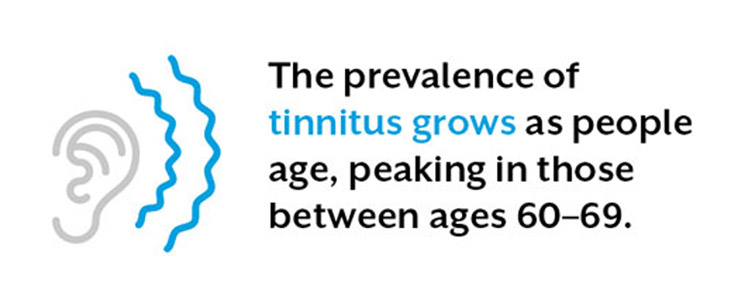 Source: American Tinnitus Association
Yes, hearing aids have been shown to help with tinnitus
Numerous studies have shown that hearing aids alone have helped alleviate tinnitus, whether it is partial or total relief. The reasoning behind this might be due to the link between tinnitus and hearing loss, with tinnitus often being a symptom of an underlying hearing loss.
Four ways hearing aids may relieve tinnitus
- Hearing aids can provide stimulation to the auditory system that has been deprived of input due to the hearing loss.
- Hearing aids amplify environmental sounds that might have been missed. These sounds can help mask tinnitus.
- Treating hearing loss with hearing aids has been shown to reduce stress and listening fatigue. Stress and fatigue have both been shown to contribute to worsening tinnitus.
- Hearing aids have been shown to reduce social isolation and increase engagement with loved ones. The added engagement and activity may help divert attention away from tinnitus.
Additionally, hearing aids can use sound therapy as a treatment for tinnitus. The purpose of sound therapy is to play a continuous or oscillating sound through the hearing aids to help divert the brain’s attention away from the tinnitus. These sounds can be white noise (or pink, brown noise), music, ocean waves, chimes, or anything the user finds calming.
Sound therapy can be used with or without hearing loss, as users can wear hearing aids as the treatment device for sound therapy with no amplification added.
Hearing aids that feature tinnitus technology
We have multiple hearing aid brands that make use of sound therapy that we can program to assist with a patient’s perception of tinnitus.
Starkey’s Evolv AI hearing aids feature Multiflex Tinnitus Technology. Clinically proven to help provide relief, this proprietary technology produces a comforting, customizable sound stimulus that can be fine-tuned to soothe the annoying noises associated with tinnitus and help take your mind off it.
You can also download the Starkey Relax app in the Apple Store or Google Play Store to stream relaxing sounds through headphones or hearing aids.
If you’re seeking relief from tinnitus via hearing aids, it’s recommended that you begin with a tinnitus and hearing evaluation from Candice van Heerden Audiology.
Book a Tinnitus and Hearing Evaluation Today
Book a diagnostic hearing test at CVH Audiology in Benoni or Bedfordview by calling our office on 011 615 3047 or email candice@cvhaudiology.co.za
Contents of this article originally appeared on https://www.starkey.com/blog/articles/2022/02/can-hearing-aids-help-tinnitus